
As someone who spends more days in hotel rooms than I’d like to admit, I’ve learned that the layout of a small hotel room can make or break a work trip. Whether you’re juggling a tight schedule or trying to stay productive on the road, thoughtful design choices—like a well-placed desk or a surprisingly functional wardrobe—can transform a cramped space into a surprisingly effective workspace. Here’s what I’ve found most valuable over the years.
Why Hotel Room Layout Matters
It’s easy to dismiss a small hotel room as a temporary inconvenience. But when you’re trying to send emails, prepare presentations, or even just unwind after a long day, the way the space is arranged can feel like a lifeline. A poorly designed room—where the desk is wedged in a corner, the bathroom door slams in your face, or the only plug socket is buried under the bed—can turn a simple task into a frustrating chore. I’ve had my fair share of awkward encounters with hotel room layouts, but I’ve also encountered a few that genuinely impressed me.

Small-Space Solutions That Work
There’s no denying that small hotel rooms are a challenge. But the best ones find clever ways to maximise functionality. A few key elements stand out: a dedicated workspace, a storage system that doesn’t require a degree in spatial reasoning, and a layout that prioritises comfort over minimalism.
1. A Desk That Doesn’t Invade the Room
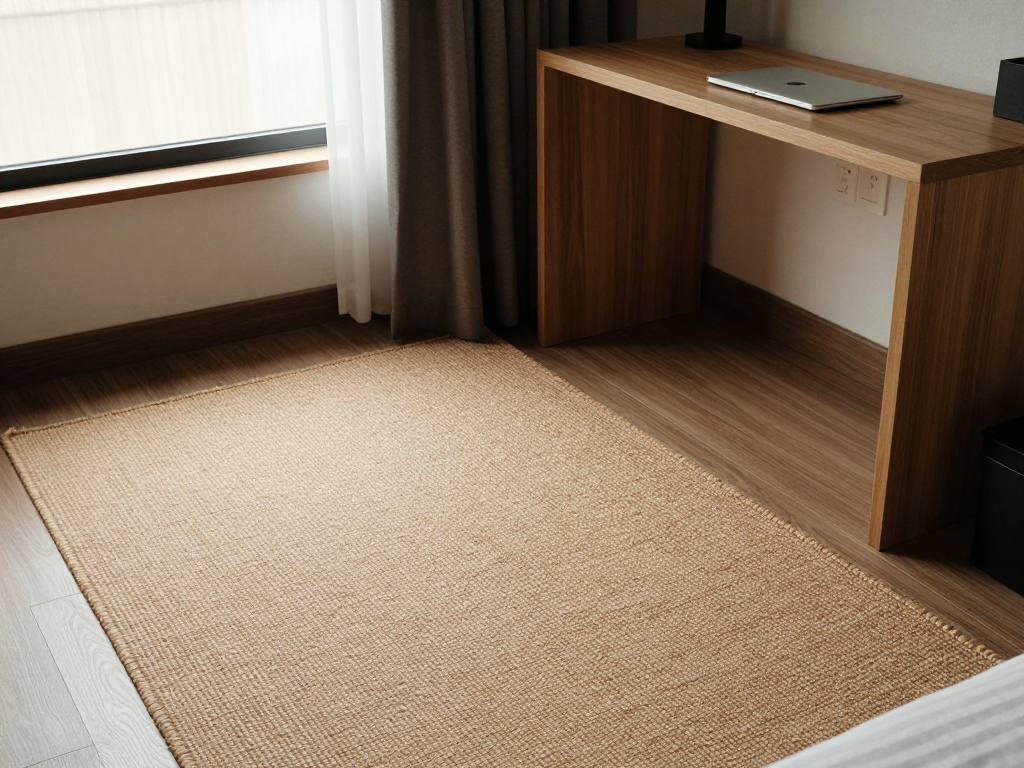
Not all hotel rooms have desks, and those that do often feel like an afterthought. I’ve encountered more than one ‘desk’ that’s just a small table tucked beneath a window—perfect for a laptop, but not much else. The ideal layout, in my opinion, is a desk that’s integrated into the room’s design, rather than an added extra. If the desk is too small, you’re stuck balancing your laptop on your knees; if it’s too large, it dominates the space. A small but sturdy desk, placed near a window or in a quiet corner, is the best compromise.
2. Storage That Doesn’t Require a Map
Storage solutions in small hotel rooms often feel like a game of Tetris. A few years ago, I stayed in a hotel where the wardrobe was so cramped that I had to hang my clothes sideways—literally. It was absurd, but also a stark reminder of how important thoughtful storage design is. A hotel room with a few well-placed hooks, a small shelf, or a drawer that actually opens is a rare joy. I’ve learned to appreciate any space that allows me to keep my belongings organised without feeling like I’m trespassing on the room’s limited square footage.
3. Lighting That Doesn’t Compromise Comfort
Lighting is another often-overlooked element. I’ve worked in rooms where the only light source was a single, harsh bulb above the desk. It’s fine for reading, but not great for focusing on a screen. A better layout would include a desk lamp or a small overhead light that can be adjusted. Even a small, dimmable light can make a huge difference to the mood of a room.
What to Look For in a Hotel Room Layout
If you’re planning a work trip, here are a few things to consider when evaluating a hotel room’s layout:
- Space for a laptop or tablet – Even a small desk or table is better than nothing.
- Access to power sockets – Avoid rooms where the only plug is under the bed or behind the TV.
- Storage for personal items – A wardrobe, shelf, or drawer is a huge plus.
- Minimal noise or disruption – A layout that separates the work area from the sleeping or bathing zones is ideal.
Ultimately, the best hotel rooms are those that feel like a temporary home rather than a temporary stop. A thoughtful layout can help you stay productive, focused, and even a little relaxed, no matter how short your stay.